The Legacy of Care

Tribute

Women

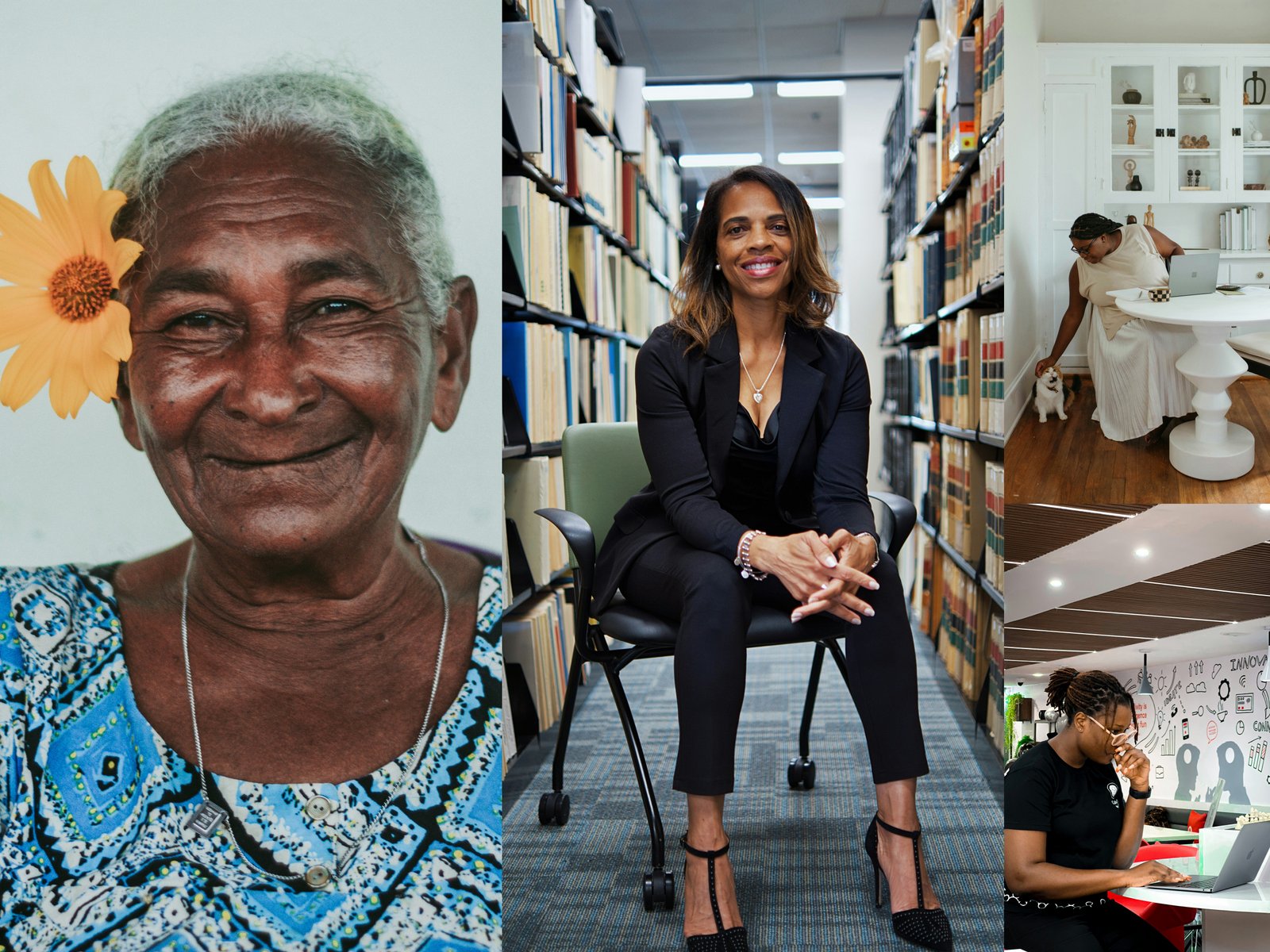
As I was doing my preparations for The Advocate Room I was shaken by the data I saw of the clinical depression numbers for female caregivers. The loneliness they experience as caregivers. The disconnection from friends and community, and the feelings of not being understood. It bothered me. When people believe caregiving is just about doing tasks; sorting-out medications, doctor or rehab appointments, making meals, or taking someone to a park, caregivers will likely continue to not be understood, alone and isolated. It came to me that love is the source of this doing. LOVE. The heart guided by love, Gives. -Founder of the Advocate Room

Men who step forward

  • The son that bathed his father before going off to work.
  • The brother that stayed when others left.
  • The husband that learned to braid hair.

These men do not always speak of what they do. But with dignity they are there. More than 20 million men are unpaid caregivers in the United States. But this page is not about statistics. It is about those who show up. Those who chose. Who offered. Who will endure. This space honors them. Not as exceptions, but as examples. Caregiving has no gender. Just men who step forward.    

Caregiving Across Cultures

We start in North America, but our Lens is Global…

Follow as we discover and add cultural caregiving influences which have been brought into North America. Families brought their caregiving traditions here through migration, displacement, hope, and survival. These practices were carried quietly across borders and passed down through food, ritual, story, and the ways people protected and cared for one another.
 

Caregiving practices differ across regions, languages, and communities — each carrying its own legacy of care.

This map offers a glimpse into those legacies and will continue to grow as our community shares where their caregiving stories began.
If you do not see your country's elephant, type the name in the search bar and a blue elephant will appear.

Learn our caregiving influences - Ghanaian Caregiving culture to Chicago for instance!

 

Send us your Legacy caregiving story

At The Advocate Room, we believe these stories deserve to be seen, honored, and preserved. They are part of a cultural legacy that too often goes unspoken, even though they live inside the way we care for our families today.

We invite you
to share your Caregiver Legacy Story — a personal reflection on the journey your family made to North America and the caregiving traditions, values, or lessons that were carried with them. Your story may be simple or complex, joyful or painful, brief or detailed. What matters is that it is yours.


Your voice helps
us build a tapestry of caregiving across cultures, showing how migration, memory, and love shape the way we care for one another today.

To protect your story and honor your comfort level, we provide a short form where you can tell us:

How would you like your story to be shared?
- With my full name
- With my first name only
- Anonymously
- Please do not share my story publicly


Your story
will never be shared without your clear permission.  We are grateful for your willingness to contribute to this growing legacy. Your words will help future caregivers feel seen, connected, and less alone.

Thank you for trusting us with your story.
The correct form is needed here
Tell us Your Personal Story


    The Future of Caregiving

    Voices of Gen-Z and Millennials

    Behind every young caregiver is a whole life — dreams, joy, and a future still unfolding. Their voices reveal a truth the world rarely sees: caregiving can shape you, but it does not diminish who you are. Here, their stories of joy, over-coming challenges and love lead.


    Gen-Z and Millennials Speak


    Return to navigation