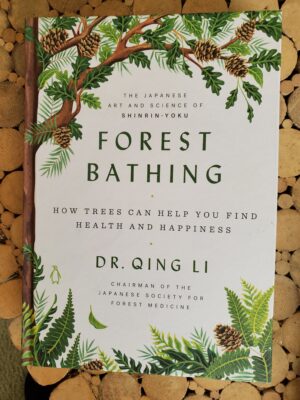
💙Forest Bathing
What it is: A slow, gentle walk in nature that helps the body settle and the mind soften after long periods of stress.
The Science: Studies show that time in natural environments lowers cortisol, reduces blood pressure, and activates the parasympathetic nervous system — the body’s “rest and restore” state. Forest Bathing has been linked to improved mood, reduced anxiety, and increased immune function.
💙 Journaling
What it is: A simple, private way to release thoughts, emotions, and memories that caregivers often hold in silence.
The Science: Expressive writing has been shown to reduce stress, improve emotional regulation, and support cognitive processing after difficult experiences. Research indicates that journaling can help people make meaning, reduce rumination, and improve overall well‑being.
💙 Sleep Support
What it is: Guided sleep stories, breathing exercises, and meditations designed to help the body unwind and re‑learn rest.
The Science: Sleep disruption is common after caregiving. Evidence shows that guided relaxation and mindfulness practices improve sleep quality, reduce nighttime anxiety, and help regulate cortisol rhythms that become imbalanced during long-term stress.
💙Rebounding
What it is: Light bouncing on a mini‑trampoline to support circulation, lymphatic flow, and gentle movement.
The Science: Rebounding stimulates the lymphatic system, which helps the body clear stress hormones and metabolic waste. Research shows that low‑impact rhythmic movement improves mood, supports joint health, and increases energy without strain.
💙 Massage Therapy
What it is: A restorative practice that releases tension stored in the muscles and helps the body feel safe again.
The Science: Massage has been shown to lower cortisol, reduce muscle tension, improve sleep, and increase serotonin and dopamine — the body’s natural mood stabilizers. It supports recovery from chronic stress and emotional fatigue.
💙Reflexology
What it is: Gentle pressure applied to specific points on the feet or hands to support relaxation and grounding.
The Science: Studies show reflexology can reduce anxiety, improve sleep, and support nervous‑system balance. It activates pressure points connected to stress pathways, helping the body shift out of vigilance and into calm.
💙Sauna or Infrared Sauna
What it is: A warm, quiet environment that supports deep relaxation and physical release.
The Science: Research — especially from Finland — shows that sauna use improves cardiovascular function, reduces inflammation, and lowers stress levels. Infrared saunas offer similar benefits at gentler temperatures, making them accessible for more people.
💙 Music To Relax the Brain
What it is: Music can gently settle the mind and soften the body. These short pieces are here to offer a moment of ease — something you can return to while journaling, resting, or receiving reflexology. There is nothing to follow and nothing to do. Just let the sound meet you where you are.
The Science: Research shows that gentle, predictable music can calm the nervous system, lower stress hormones, and support emotional regulation. Slow, steady sounds help the brain shift out of alert mode and into a state of rest and repair. Click if you desire to experience a sample of this practice.
Life after caregiving is not an ending — it’s a slow return to wholeness. As your days open up again, may these practices help you rest, rebuild, and rediscover the parts of yourself that waited patiently for you. Your future still holds beauty, strength, and possibility. You are allowed to step into it with hope.
Learn more
Resources Beyond Our Walls
Any videos, demonstrations, or external resources shared on this site are provided solely as examples of evidence‑based practices. The Advocate Room does not endorse, recommend, or receive compensation from any individual practitioner, product, or company featured in these materials. Caregivers should use their own judgment and consult qualified professionals for personal medical or therapeutic needs.
Participation in any practice offered through The Advocate Room is voluntary and should be done at your own comfort level. If you experience discomfort or have health concerns, please pause and seek guidance from a healthcare provider.